

 نویسنده: Arman Yari
آموزش و پرورش استان کرمانشاه اعلام کرد که یک معلم ۳۷ ساله در سرپل ذهاب خودکشی کرد

بهگزارش خبرگزاری کار ایران (ایلنا)، حسین پارساپور، مدیر روابط عمومی اداره آموزش و پرورش استان کرمانشاه سهشنبه ۲۲ اسفند ضمن اعلام این خبر گفت نام این معلم رسول قهرمانپور است و با حلقآویز کردن خود به زندگیاش پایان داده است.
او در مدرسه فجر منطقه ریجاب شهرستان دالاهو معلم بود.
دلیل خودکشی این معلم هنوز روشن نیست.
شهاب نادری، نماینده پاوه، جوانرود، ثلاث باباجانی و روانسر در مجلس شورای اسلامی ۶ دیماه سال جاری از خودکشی دستکم ۲۰ نفر از زلزلهزدگان سرپل ذهاب خبر داد و شرایط زندگی آنها را سخت توصیف کرد.
در شب ۲۱ آبان ۹۶ (۱۲ نوامبر ۲۰۱۷)، زمینلرزهای با قدرت ۷.۳ ریشتر، در غرب استان کرمانشاه رخ داد و ۵۶۹ نفر جان خود را از دست دادند و هزاران نفر زخمی شدند. بیشترین تلفات این زلزله مربوط به شهر سرپل ذهاب بود.
برچسب ها :

محمدجعفر منتظری، دادستان کل ایران تلاش کرد تا با حضور در گفتوگوی ویژه خبری شبکه دو تلویزیون دولتی ایران، به توجیه نقض حقوق بشر در زندانها و سرکوب معترضان به حجاب اجباری بپردازد. استدلال او این بود: خودکشی زندانیان در همهجای دنیا به ویژه در کشورهای غربی «شایع» است.

منتظری شنبهشب ۱۹ اسفند، به مرگ غیرعادی کاووس سیدامامی، استاد جامعهشناسی و فعال محیط زیست در زندان اوین پرداخت که از سوی مقامهای ایران «خودکشی» خوانده شده است:
«این فردی که خودکشی کرد و متهم به جاسوسی بود، در یک محل مناسب نگهداری میشده و مراقبتهای لازم هم بوده منتها از فرصت استفاده کرده و شاید از غفلت مراقب استفاده کرده و ظرف چند دقیقه که از ۱۵ الی ۱۶دقیقه بیشتر به طول نکشید، خودکشی کرد.»
هرچند منتظری اتهام «جاسوسی» را بار دیگر مطرح کرد، اما برای توجیه این مرگ غیرعادی به آمار خودکشی زندانیان در کشورهای غربی همچون آمریکا، بریتانیا و فرانسه اشاره کرد تا استدلال کند که «خودکشی در زندان در دنیا مساله شایعی است» و آمار خودکشی زندانیان در غرب «وحشتناک» است.
دادستان کل ایران در حالی سعی در توجیه مرگ غیرعادی کاووس سیدامامی دارد که دستگاه امنیتی ایران مریم مبینی، همسر او را ممنوع الخروج کرده است. فرزندان کاووس سیدامامی که اخیراً ایران را ترک کردهاند، از افزایش فشارها بر اعضای خانواده برای سکوت در مورد مرگ او خبر میدهند.
او همچنین مرگ محمد راجی، از دراویش گنابادی معترض در زمان بازداشت را تکذیب کرد و گفت که او در درگیریها کشته شده و جسد او برای شناسایی در پزشکی قانونی نگهداری شده است.
هرچند فرهاد نوری، مدیر مجذوبان نور درگفتوگو با زمانه از خبرسازی، جعل تصویر برای لاپوشانی شکنجه دراویش گنابادی بازداشتی در حین بازجویی و اعلام تدریجى اسامی کشتهشدگان خبر داده است.
دادستان کل ایران همچنین به مسئله اعتراض به حجاب اجباری در ایران پرداخت و آن را «سیاست شیطانی دشمنان» خواند. او به دختران خیابان انقلاب هشدار داد که «نظام جمهوری اسلامی در مقابل حرکتی که گناه و حرام مسلم است ساکت نمیماند.»
جمهوری اسلامی برخورد با فعالان زن را پس از آغاز اعتراضات به حجاب اجباری تشدید کرده است. نیروهای امنیتی هشت مارس بیش از ۵۰ زن و ۲۰ مرد را هنگام تجمع در برابر وزارت کار بازداشت کردند. شماری از آنها تا کنون آزاد شدهاند اما از میان آنها ۱۴ زن به زندان قرچک ورامین و ۵ مرد به زندان فشافویه منتقل شدند.
برچسب ها :
For more than three decades, temporary marriage has been a controversial topic in the Islamic Republic of Iran. And when, in mid-1985, Ali Akbar Hashemi Rafsanjani promoted it as a way of strengthening “chastity” in the Iranian society as part of his Friday Prayers sermons, it became more widely discussed and debated
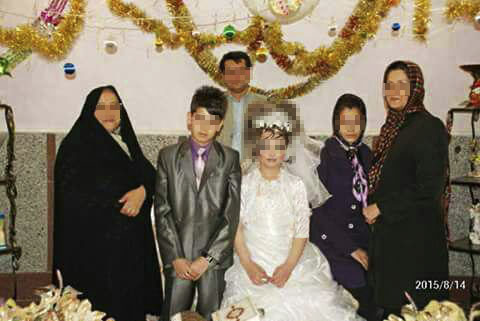
The practice of “temporary marriage,” however, did not start with the Islamic Republic. It dates back further in Iran, but the Islamic government chose to use the term as a more politically correct and respectable replacement for sigheh, or concubinage
In Shia Islam, a man and woman are able to marry for a fixed period of time in order to deal specifically with sexual needs. Iran’s Islamic government has promoted the practice to reduce illicit sex in the country, and some officials have suggested it can help in situations where young people cannot afford to marry because of financial constraints. Although some argue that the practice honors the sexual rights of both women and men, many experts and rights advocates claim that in reality, it only benefits males in society. Legally at least, a man is allowed to enter into many temporary marriages concurrently while a woman can only have one partner at any given time
“A House on the Water,” which looks at temporary marriage in Iran, is the latest study by Kameel Ahmadi, an Iranian-British sociologist who lives in Iran [Persian PDF]. Kameel has published extensive research on sexual inequality and marriage in Iran, including a study of early child marriage entitled “An Echo of Silence” [PDF]. His latest research also pays special attention to the pathology of temporary marriage between legally underage children — a subject that has become more controversial in recent years
In 2014, Iranian parliament’s Research Center published its own report about temporary marriage, describing it as a cure for “reducing illicit sexual relations” in Iran . The report warned about the “spread of homosexuality” among high school students because, it said, their chances of a permanent marriage are very low. “Now that permanent marriage has become difficult,” the report said, “if we cannot find a proper solution, then sexual needs will force individuals to find other ways —including self-gratification, homosexuality, illicit sexual relations, adultery or sexual aggression. And it is not often that individuals choose to control their sexual impulses by fasting, exercise, taking medication or surgery. Temporary marriage is the way out of all these negative consequences
Girls in Peril
But not all Islamic Republic officials and think tanks in the country view temporary marriage from the same angle. In August 2013, Mohammad Taghi Hassanzadeh, the head of Sports and Youth Ministry’s Strategic Research Center, presented a survey carried out by his institute. It said [Persian link]: “Young people are confused and conflicted whether to accept or reject the phenomenon of temporary marriage. Of the young people surveyed, 84.5 percent agree with it but of these, 62 percent avoid it out of the fear that they would lose face
Politicians have also voiced their opinions and presented the pros and cons of temporary marriage. One of the best known is Ali Motahari, who is currently deputy speaker of the Iranian parliament. When Tehran’s Education department announced that if female high school students marry, they will be expelled from school and will only be able to attend night schools, Motahari took exception to the decision and recommended that high school students should be allowed to enter into temporary marriages. “High school students who marry must not be expelled from school,” he said in a TV interview in August 2013 [Persian link]. On the contrary, he said, they must be encouraged to enter into temporary marriages
In politics, Motahari usually stands up to hardliners, but in religious matters he is as conservative as they come. He has held tight to his views on temporary marriage despite extensive criticism from activists who support the rights of women and children
Articles 1075 of the Islamic Republic’s Civil Code defines temporary marriage as no different from regular marriage, except for the fact that it has a set duration. In other words, a man or woman is allowed sexual relations but for only for a predetermined period of time. The legal age of marriage under the Islamic Republic is 13 for girls and 15 for boys, and this rule applies to temporary marriage as well. However, the Civil Code allows underage marriage if the father consents and a judge permits it. Besides everything else, this escape clause puts the future of children, especially girls, in peril
Psychological and Sexual Traumas
According to Ahmadi’s study, depending on the age and conditions of their lives, children suffer many negative consequences as a result of temporary marriage. “With the absolute lack of mental, financial and social preparedness for a permanent marriage, when sexual relations are formed during sigheh, then the child’s family begin thinking about making the marriage permanent,” the study reads. “And this can lead to them dropping out of school and psychological and sexual traumas
And if the marriage of children is made permanent, the fact of their age allows the couple’s parents to take away their independence and have control over them. The study cites the example of a 19-year-old woman from Mashhad who entered into a sigheh when she was only 11. “We had no problems with each other,” she is quoted as saying, “but the adults made us quarrel with each other. When I moved to my own house, I was very young so I wouldn’t listen to my husband
The study cites another example, that of a 22-year-old woman who entered into temporary marriage when she was 12. “How much can one understand when one is so young?” she said. “One day when I came home from school I was told that I must marry this guy. And I did not go to school anymore. I say that you need to be a little bit more mature, otherwise the man walks all over you and you must obey whatever he says
Kameel Ahmadi, who conducted his study in the three Iranian provinces of Razavi Khorasan, Tehran and Isfahan, criticizes the law and Shia jurisprudence for being silent on the legal age for temporary marriage where young people under age18 are concerned
“According to the Civil Code,” he writes, “the minimum age of girls for temporary marriage is the same as the age for permanent marriage. In a permanent marriage for a girl under-13, the permission of both the guardian and the court is needed. But temporary marriages are done by the families in an unofficial way and without being legally registered.” He points out that this is a failure of the law
Also, if a temporary marriage between a girl and a boy results in the girl losing her virginity but does not lead to a permanent marriage, then the girl will have difficulty in finding another husband in a society that puts a high value on virginity
The study also finds that among men who enter temporary marriage, 61 percent do it for sexual satisfaction, 31 percent for emotional satisfaction and 8.9 percent because of financial needs, while around 80 percent of women do it for emotional reasons, around 10 percent for sexual satisfaction and 10 percent because of financial needs
برچسب ها :
احمد جنتی، دبیر شورای نگهبان پس از ۲۵ سال از امامت جمعه موقت تهران کنارهگیری کرد. علی خامنهای، رهبر ایران با استعفای او موافقت کرده است.

پایگاه اطلاع رسانی رهبر ایران یکشنبه ۲۰ اسفند گزارش داد که احمد جنتی در نامهای به رهبر ایران با تشکر از «اعتماد و عنایات» او از امامت جمعه تهران استعفا داده است.
این روحانی ۹۲ ساله محافظهکار نخستین بار ۱۴ فرودین ۱۳۷۱ پشت تریبون نماز جمعه تهران قرار گرفت. او در سالهای اخیر حضور کمتری داشت و پس از معرفی محمدحسن ابوترابیفرد به عنوان امام جمعه موقت جدید پایتخت، احتمال کنارهگیری او از این سمت افزایش یافت.
او مهر ۱۳۹۳ در برنامه «شناسنامه» تلویزیون دولتی ایران گفته بود:
«کار اصلی من شورای نگهبان است. فعالیتهای دیگر برای من فرعی بود. از مقام معظم رهبری خواستم برخی از فعالیتها از دوش من برداشته شود که یکی از این فعالیتها نماز جمعه، یکی شورای عالی انقلاب فرهنگی و دیگری مجمع تشخیص مصلحت بود… مقام معظم رهبری در خصوص فعالیت شورای عالی انقلاب فرهنگی مخالفتی نداشتند و گفتند نمیخواهید نروید ولیکن در خصوص نماز جمعه گفتند که باید نماز جمعه را داشته باشی و در رابطه با تشخیص مصلحت نظام مخالفت کردند و گفتند باید بروی به عنوان شخصیت حقیقی علاوه بر شخصیت حقوقی. من گفتم برخی وقتها نماز جمعه برای من سنگین است فرمودند فاصلههایش را زیاد کن.»
کهولت سن این روحانی محافظهکار و همچنین ناتوانی او در ادای برخی کلمات در خطبههای نماز جمعه چندینبار در شبکههای اجتماعی خبرساز شده بود.
برچسب ها :
روحیه نریمان و فرزاد دلارام، یک زوج بهایی ساکن شیراز مجموعاً به ۱۰ سال زندان محکوم شدند. برای هر یک از آنها حکمی پنجساله صادر شده است.

به گزارش «کمپین نه به آزار و زندان هموطنان بهایی»، روحیه نریمان و فرزاد دلارام به اتهام «تبلیغ علیه نظام» و «عضویت در گروهکهای غیرقانونی بهاییت» هر یک به پنج سال حبس تعزیری از سوی شعبه یک دادگاه انقلاب شیراز به ریاست قاضی ساداتی محکوم شدهاند.
این زوج دو فرزند کودک و نوجوان دارند.
مأموران اداره اطلاعات سپاه ۱۱ مهر ۱۳۹۵ نریمان و دلارام را دستگیر کردند. آنها پس از ۱۰ روز با وثیقه ۳۳۰ میلیون تومانی آزاد شدند. دادگاه آنها همان اسفند گذشته برگزار شد اما حکم آن به تازگی به این زوج بهایی ابلاغ شده است.
جمهوری اسلامی آیین بهایی را به رسمیت نمیشناسد و به شکلهای مختلف بهاییان را از حقوق شهروندی خود از جمله حق کار و تحصیل محروم میکند.
بهاییان همچنین در صورت تبلیغ آیین خود از سوی دستگاه قضایی تعقیب و مجازات میشوند؛ هر چند قوه قضاییه ایران تاکید میکند که کسی به دلیل بهایی بودن زندانی نمیشود.
برچسب ها :
Iran’s Supreme Leader marked International Women’s Day by dismissing the Revolution Women protest movement as “insignificant and small,” adding that the only achievement Iran’s “enemies” could claim was that “a few girls” had been "deceived into removing their scarves in a corner.” He also voiced strong support for police action in dealing with the matter

The series of demonstrations, which began in late December, has seen lone women going out into public spaces to protest against the country’s law on the mandatory hijab, and has attracted huge international support and media attention
Although Ayatollah Khamenei did not explicitly mention the Revolution Women movement, his on Thursday March 8 — backed up by tweets posted by his office — was a clear reference to the protests
On March 7, news emerged that the first of the Revolution Women protesters had gone on trial, and had been sentenced to two years in prison. Many other protesters have been arrested in recent weeks, and await trial
Khamenei said the protests, in which women stand on makeshift platforms, waving white or colored scarves on sticks to protest against forced hijab, were “the result of a vast and astronomically expensive propaganda campaign by the enemies to adversely influence the question of hijab
He also implicitly put his seal of approval on police action against such protests. “Whatever has been banned by sharia cannot be done in public,” he said, “because the government is duty-bound by Islamic sharia to prevent forbidden actions in public
A Warning to “Elites”
Khamenei also admonished what he described as the “elite group” who use the phrase “compulsory hijab." He implied that those who used the term, “journalists, intellectuals and clerics” among them, were helping the enemy achieve its goal, a goal it couldn’t achieve its own, despite all the investments it had made in trying. "A number of the people — hopefully unknowingly — follow the same path of the enemies,” he said. He rejected any claim that Ayatollah Khomeini, the founder of the Islamic Republic, had ever provided an escape clause for women who do not want to wear hijab. “They say that ‘Imam Khomeini’s directive that ‘women wear hijab’ did not refer to all women.’ Nonsense! I was present at the time. I know the reality. Imam Khomeini stood like a mountain against a clear repudiation [of sharia], promoted by Pahlavi [kings] and their successors
One of the “elites” that Khamenei was referring to is the cleric Mohammad Ali Ayazi, a seminary and university professor and a Koran scholar who is well known for opposing compulsory hijab. In an interview on February 26 [Persian link], he quoted Morteza Motahari, a close associate of Ayatollah Khomeini and an ideologue of the Islamic Republic who was assassinated by an extremist Islamic group just months after the revolution, in May 1979. According to Ayazi, Motahari had asked Khomeini about mandatory hijab and Khomeini had replied: “I don’t agree with it but they put so much pressure on me that I said hijab must be observed in [government] offices.” Ayazi added that based on this quotation, the hijab rule does not necessarily apply to the streets
The Supreme Leader rejected the idea of hijab as a matter of choice. “The logic that says let the people choose themselves can also be used for other wrongdoings, like selling alcohol,” said Khamenei. “This can also be said for all other big social crimes. Is this a sensible ideology
On Twitter, Khamenei made his opinions on the western view of gender equality clear. “The western model for women is symbolic of consumerism, cosmetics, showing off for men as a tool of male sexual arousal,” he tweeted. “All they claim, including gender injustice and so on, is just talk. The reality is different
No Place for Discussion
This, of course, is not the first time that Khamenei has rejected the idea of the Islamic headscarf being a matter of choice. “There are misplaced discussions, like whether hijab is mandatory or optional,” he said on May 9, 2016. “There is no place for such discussions in the Islamic Republic.” As with his recent statements, he made a link between defying the law on hijab and other forbidden activities. “You cannot say that we should allow the sale of alcoholic beverages and then tell people not to drink it!”, he said. “It is not enough to say ‘don’t
At the time, some principlist figures, including the cleric and university professor Mohammad Reza Zaeri, argued that hijab must be a matter of choice. However, when Zaeri learned that Khamenei opposed even having a discussion on the issue, he wrote: “I let the matter drop because, although my opinion has not changed, I believe that [the Supreme Leader] “must be obeyed in actions, not [just] in beliefs
On January 31, 2018, after the protests by “Revolution Women” had started, Zaeri was asked why he had not spoken up about his silence in spite of the fact that he had been known as a staunch opponent of forced hijab. “All my worries and obsessions about hijab was because eight or nine years ago I could foresee these days — or days even worse than these,” he replied. “I tried my best to do my share and prevent these things from happening…Now that they have happened what is the use of repeating those words? What is the use of moaning and crying now
But, unlike Zaeri, the Supreme Leader believes that now is time to speak out, and to take preventive action so that midlevel decision makers within the political and executive establishment will not be tempted to get into discussions about whether hijab must be mandatory or voluntary. Khamenei wants to pre-empt figures like Parvaneh Salahshouri, the head of the women’s caucus in the parliament. On March 7, she announced that, after the Iranian new year holidays, which start on March 21, a gathering of “civil activists, experts from the seminaries and the judiciary, members of parliament and representatives from Islamic research centers will meet to talk about the pros and the cons of mandatory hijab
Now that the Supreme Leader has spoken, these discussions will be unlikely to lead to any real result, and the people involved in them will have little impact. Instead, it will be Khamenei’s sycophants who will have the power, as well as the ability to set the agenda (or stop unwanted agendas in their tracks) for the foreseeable future
برچسب ها :
امام جمعه مشهد با اشاره به مراسم تولد فاطمه زهرا، دختر پیامبر اسلام در برج میلاد تهران که در آن چند دختر هنرمند ایرانی رقصیده بودند، برگزارکنندگان آن را «ستون پنجم دشمن» نامید و «هویت جامعه» را حجاب دانست.

احمد علمالهدی، امام جمعه مشهد، نماینده رهبر جمهوری اسلامی در خراسان رضوی و عضو مجلس خبرگان رهبری، در نماز جمعه ۱۸ اسفند مشهد گفت: «حادثهای که اخیراً در برج میلاد تهران اتفاق افتاد، تصادف نبود. یک برنامهریزی حسابشده از سوی دشمن بود.»
او افزود: «این برنامه را برگزار کردند و با رقص یک عده نوجوان و دختر جوان نشان دادند که الگوی جامعه حضرت زهرا نیست بلکه سوفیا لورن است.»
سهشنبه ۱۵ اسفند در برج میلاد تهران، به مناسبت تولد فاطمه زهرا که در تقویم ایرانی «روز زن» نامیده شده همایش بانوان شاغل شهرداری تهران برگزار شد. در این همایش محمدعلی نجفی، شهردار تهران و تعدادی از معاونان و مشاوران او از جمله فاطمه راکعی مشاور شهردار در امور زنان حضور داشتند. در بخشی از این همایش، چند دختر هنرمند ایرانی روی سن رفتند و رقصیدند. رقص شادیآفرین این هنرمندان، در شبکههای اجتماعی اصولگرایان زمینهای برای پروندهسازی را فراهم آورد.
علمالهدی با بیان اینکه «هویت جامعه به حجاب زنان ما است»، گفت: «آنها که این جشن را برگزار کردند، ستون پنجم دشمن بودند.»
محمدعلی نجفی، شهردار تهران در توضیحی درباره مراسم برج میلاد گفته بود که سن همه دخترانی که میرقصیدند کمتر از هشت سال بوده و در نتیجه از نظر شرعی اشکالی وجود نداشته است. با این حال او نیز افزوده بود: «البته بهتر بود که این قسمت از برنامه اجرا نمیشد و من خودم این موضوع را قبول دارم.»
احمد علمالهدی در سخنان خود همچنین حجاب را «یک مسئله محوری» در جامعه دانست و با اشاره به «دختران خیابان انقلاب» که در ماههای اخیر در گوشه و کنار کشور با برداشتن روسریهای خود به مخالفت با حجاب اجباری برخاستهاند، گفت: «اینکه فکر کنید دختر ناهنجار ولنگاری سر چهارراه و یک میدان روسری سر چوب کند ظاهرش کودکانه و بچگانه است اما در اصل جریانی که او را مزدور کرده برنامهریزی کرده است. لشگر جنگ نرم دشمن برای هویتستیزی است.»
برچسب ها :
گروه پرشماری از کشاورزان ورزنه اصفهان در اعتراض به سیاستهای آبی دولت حسن روحانی جمعه ۱۸ اسفند دست به تظاهرات زدند. کشاورزان اصفهانی با سر دادن شعارهایی دولت حسن روحانی را به دروغگویی متهم کرده بودند. کشاورزان معترض که مهمترین خواستهشان سهم حقآبه اصفهان است، به سوی تأسیسات انتقال آب به یزد حرکت کردند که یگانهای ضد شورش با آنها درگیر شدند. آنها که مسئولان را «بیغیرت» میخواندند هشدار میدادند که «قیام رعیت» نزدیک است.

خبرگزاری جمهوی اسلامی کشاورزان معترض ورزنه اصفهان را متهم کرده است که قصد تخریب تأسیسات انتقال آب به یزد را داشتند. ایرنا گزارش میدهد که یگان ویژه ضد شورش و نیروهای انتظامی با پرتاب گاز اشکآور کشاورزان معترض را متفرق کردند.
خبرگزاری رسمی جمهوری اسلامی تعداد مجروحان را چهار الی پنج نفر اعلام کرده است. از تعداد دقیق مجروحان اطلاعی در دست نیست.
در فیلمهایی که در شبکههای اجتماعی از راهپیمایی کشاورزان به سوی تأسیسات انتقال آب به یزد منتشر شده، تعداد پرشماری از کشاورزان معترض دیده میشوند که با سر دادن شعارهایی مسئولان را «بیغیرت» میخوانند و به آنها هشدار میدهند که «قیام رعیت» نزدیک است.
بر اساس تصاویر و گزارشهای تأیید نشده در شبکههای اجتماعی درگیری یگان ویژه با کشاورزان معترض تا ساعتی از شب ادامه داشت. سرانجام یگان ویژه ناگزیر به عقبنشینی شد. کشاورزان لاستیک آتش زده بودند و با سنگ و چوب در صدد مقابله با نیروهای یگان ویژه برآمده بودند. شایعاتی هم وجود دارد مبنی بر اینکه فردی با خودرو گروهی از نیروهای یگان ویژه را زیر گرفته است.
کشاورزان از ۲۵ روز پیش تاکنون با تظاهرات مسالمتآمیزی به انتقال آب زایندهرود از استان اصفهان به استان یزد معترض بودند. ۳۵۰ هزار نفر در شرق استان اصفهان از طریق کشاورزی گذران میکنند. انتقال ۴۰۰ میلیون متر مکعب آب از حقآبه استان اصفهان به یزد، زندگی آنها را به خطر انداخته است. در سال ۹۵ مسئولان استان اصفهان به کشاورزان قول داده بودند که ۲۰۰ میلیون متر مکعب از آب پشت سدها را به کشاورزی در شرق اصفهان اختصاص دهند اما به این وعده عمل نکردند. در همان سال گروهی از کشاورزان اصفهانی لوله انتقال آب به استان یزد را شکستند.
محمود حسینی که در فاصله بین سالهای ۱۳۸۱ تا ۱۳۸۴ استاندار اصفهان بود، سال گذشته درباره بیکاری کشاورزان ساکن شرق اصفهان به خبرگزاری کار ایران (ایلنا) گفته بود:
«در شرق اصفهان که ۳۰۰ هزار تن جمعیت دارد، بالغ بر ۵۰ هزار کشاورز به علت کمآبی زاینده رود بیکار شدهاند و آنها هم که بیکار نشدهاند، درآمدهایشان کاهش یافته است.»
مهاجرت از روستا به شهرها یکی از پیامدهای بحران کمآبی در شرق اصفهان در اثر انتقال آب به یزد است. یکی از کشاورزانی که از روی خاک کنده شده به ایلنا گفته بود:
«زمین داشتم، رعیت بودم، پدرم هم کشاورز بود، زمین هم کم و بیش زندگی ما را میگذراند. آب که کم شد، دیگر به ما آب نرسید، مجبور شدیم به شهر بیاییم. فکر میکردم بهتر میشود، اینجا هر روز هشتم گرو ۹ است.»
وزارت نیرو سال گذشته برای حل این بحران کارگروهی به نام کارگروه «ملی سازگاری با کم آبی» تشکیل داد. سامان دهی رودخانه زاینده رود، جایگزینی کشتهای صنعتی به گلخانهای، اجرای پروژههای فنی برای برداشت از زایندهرود، جایگزینی پساب در مصرف کشاورزی و صنعت و طرحهای اضطراری تامین آب در دستور این کارگروه قرار گرفت که تاکنون به جایی نرسیده است.
برچسب ها :

به تصویر کشیدن جنایات و تبعیضات رژیم جمهوری اسلامی در حق مردم مظلوم یارسان و ایران Admin:Arman Yari
» افراد آنلاین : 1
» بازدید دیروز : 24
» بازدید ماه : 3515
» بازدید سال : 3525
» کل بازدیدها : 41223
» مجموع اعضا : 3
» تعداد مطالب : 697
» تعداد نظرات : 3

تمامی حقوق متن ها، تصاویر مربوط به این سایت می باشد و استفاده از آن ها با لینک دادن به سایت مجاز می باشد.
