

 نویسنده: Arman Yari

روز جاری تعدادی از شهروندان اهل امیدیه که گفته میشود ادمین های یک کانال تلگرامی در این شهر بوده اند بازداشت شدند. دادستان شهرستان امیدیه در استان خوزستان نیز ضمن تائید صدور حکم بازداشت مدعی شد که این افراد اقدام به انتشار اسناد محرمانه کرده بودند. همچنین روز جاری ویدئویی در فضای مجازی منتشر شده است که در آن تعدادی از نیروهای امنیتی با ورود به منزل یکی از این افراد اقدام به بازداشت وی و تصویربرداری همزمان از این اقدام کرده بودند.

دادستان شهرستان امیدیه در استان خوزستان، از صدور حکم بازداشت تعدادی از شهروندان در ارتباط با یک کانال تلگرامی خبر داد.
علیرغم اینکه یوسف فلاحتی دادستان امیدیه روز جاری مدعی شده بود که این افراد متواری بوده و هنوز بازداشت نشدهاند ویدئویی بین کاربران فضای مجازی دست به دست میشود در آن نیروهای امنیتی لباس شخصی با ورود به منزل یکی از این افراد با رفتاری نامناسب و همراه با تصویربرداری اقدام به بازداشت این فرد میکنند.
هرچند از دلایل بازداشت این افراد اطلاع دقیقی در دست نیست با این حال دادستان تهران مدعی شده است که این افراد در این کانال تلگرامی اقدام به انتشار برخی اسناد محرمانه میکردند.
گفته میشود این افراد اقدام به انتشار اسنادی در رابطه با زمین خواری های دولتی در منطقه خود کرده و اعضای شورا و دادستان امیدیه را مورد نقد قرار داده بودند.
یوسف فلاحی دادستان امیدیه در گفتگو با ایرنا تلویحا اتهام مطرح شده علیه این افراد را “تشویش اذهان عمومی” عنوان کرده است.
شهرستان امیدیه با جمعیتی بالغ بر ۸۵ هزار نفر در شرق استان خوزستان واقع شده است.
برچسب ها :


برچسب ها :
سه زندانی در ملاعام در یاسوج اعدام شدند!
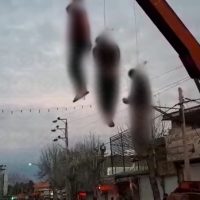
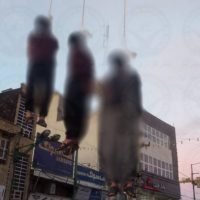
صبح امروز، سه زندانی به اتهام “محاربه از طریق مشارکت در سرقت مسلحانه” در یکی از میادین شهر یاسوج و در ملا عام اعدام شدند.
به دنبال تأیید حکم محاربه ۳ سارق مسلح طلا فروشی استانهای فارس و کهگیلویه وبویراحمد در دیوان عالی کشور، این حکم امروز یکشنبه ۲۳ دیماه ۹۷، با حضور جمعی از مردم یاسوج اجرا شد.
گفته میشود ۴ تن از ۶ متهم این پرونده به اعدام در ملا عام محکوم شده بودند با این حال از سرنوشت یک متهم دیگر اطلاع دقیقی در دست نیست.
اسامی اعدام شدگان کیکاووس جمال سیرت، رستم رضایی و عبدالله جوهری اعلام شده است.
در تاریخ ۲۴ مهرماه، غلامرضا مزارعی رئیس کل دادگستری استان کهگیلویه و بویراحمد از صدور حکم اعدام در ملاعام برای چهار متهم به سرقت از طلافروشی در یاسوج توسط شعبه اول دادگاه عمومی و انقلاب یاسوج خبر داده بود.
وی مدعی شده بود: “متهمان ۶ نفر بودند که به صورت زنجیره ای، اقدام به سرقت های مسلحانه و قتل در طلافروشی های استانهای کهگیلویه و بویراحمد و فارس کرده بودند که توسط دستگاه قضایی و نیروهای امنیتی و انتظامی، پس از شناسایی در خردادماه ۹۷ دستگیر شدند”.
بنا بر گزارش نهادهای بینالمللی، ایران به تناسب سرانه جمعیت و میزان اعدام، رتبه نخست اعدام شهروندان خود در دنیا را دارد.
بر اساس گزارش مرکز آمار، نشر و آثار مجموعه فعالان حقوق بشر در ایران در دوره یکساله (اول ژانویه ۲۰۱۸ تا ۲۰ دسامبر ۲۰۱۸) دستکم ۲۳۶ شهروند اعدام شدند و ۱۹۵ تن دیگر به اعدام محکوم شدند. از جمله اعدام شدگان باید به اعدام ۶ کودک-مجرم اشاره کرد و همینطور به محل اجرای ۱۳ حکم اعدام که در ملأعام بوده است.
بنا بر همین گزارش بیش از ۷۲ درصد اعدام های صورت گرفته در ایران توسط دولت یا نهاد قضایی اطلاع رسانی نمیشوند که اصطلاحاً آن را اعدام “مخفیانه” میخوانند.
برچسب ها :
پس از گذشت ۲ ماه؛ تداوم پلمب محل کسب شهروندان بهایی در خرمشهر!

– پس از گذشت ۲ ماه، محل کسب چهار شهروند بهایی در خرمشهر همچنان پلمب است. گفته میشود علیرغم پیگیریهای مکرر و مراجعه این شهروندان به نهادهای مختلف تاکنون پاسخی به آنان داده نشده است. محل کسب این شهروندان در تاریخ ۲۴ آبانماه، به دستور نهادهای قضایی و توسط اداره اماکن خرمشهر پلمب شده بود.
یک منبع نزدیک به این شهروندان گفت: “با وجود پیگیریهای مکرر از سوی این شهروندان در اداره اماکن، اتحادیهها، اداره اطلاعات، دادستانی و سایر نهادهای مسئول، تاکنون پاسخ روشنی از سوی مسئولین به این آنها داده نشده و از میان پنج محل کسب تاکنون فقط محل کسب دو تن از این شهروندان در روزهای اخیر فک پلمب شده است”.
گفتنی است از میان محلهای کسب پلمب شده در خرمشهر، محل کسب کامبیز آزادی (واحد صنفی فروشگاه چرخ خیاطی)، ساکن آبادان، کوروش جابری (واحد صنفی تنظیم موتور) ساکن خرمشهر و حسین علی حبیبی و بهنام حبیبی (واحد صنفی عینک سازی) ساکن آبادان، همچنان پلمب است.
از تاریخ ۲۴ آبانماه، محل کسب این شهروندان بهایی به دستور نهادهای قضایی و توسط اداره اماکن خرمشهر پلمب شده است.
شهروندان بهایی بر اساس باور دینی خود اماکن کسب خود را به هدف اجرای مناسک مذهبی تعطیل میکنند. اما دستگاههای انتظامی و امنیتی علیرغم حقوق مشخص قانونی و شهروندی افراد در عمل به باورهای دینی خود و نحوه مدیریت اماکن تجاری خود، به پلمپ اماکن کسب آنان اقدام می کنند.
اقدام به پلمب مراکز صنفی شهروندان بهایی در حالی انجام میشود که براساس بند ب ماده ۲۸ قانون نظام صنفی، صاحبین واحد صنفی میتوانند تا سقف ۱۵ روز در سال واحد صنفی خود را بدون اطلاع اتحادیه تعطیل نمایند.
برچسب ها :


However, the episode doesn’t mention such claims. Instead, it links Zaghari-Ratcliffe to a long-running conspiracy theory about the UK government that claims the country is using Persian-language broadcasting and the training of journalists to bring about a “velvet revolution” against Tehran and change the “Islamic lifestyle” of Iranian women
Conspiracy Theory as State Policy
In Iran conspiracy theories are directly converted into official state policy. The country’s Supreme Leader, Ayatollah Khamenei, is famously paranoid and his pretorian guard, the powerful Islamic Republic Guards Corps (IRGC), spends massive resources on creating programming that purports to show the hidden hand of Baha’is, Zionists, freemasons, feminists and foreign governments behind anything bad going on in the country
The first season of “Out of Sight” was launched in December 2017 on the anniversary of the 2009 pro-regime rallies that had helped crush the Green Movement, a democratic uprising which shook Iran earlier that summer. The first episode mostly covered the events of that year
The broadcaster decided to pull the plug on the show after four episodes since they were thought to further enrage an angry people in the midst of massive street protests in December 2017 and January 2018. Sobhe No, a conservative newspaper, said Morteza Mirbagheri, head of the TV, had stopped the show since its broadcasting “wasn't expedient, given the unrest of the last few days
A year passed before season two of “Out of Sight” aired in December 2018. It is still directed by Naghavian and now includes the subtitle Nofooz, which translates as “infiltration.” As Naghavian himself noted in an interview in the first week of January, ‘infiltration’ is the “most commonly-used keyword” in Khamenei’s speeches, especially since 2009. For Khamenei, not only does it cover the usual suspects like journalists and activists, but it also refers to wildlife conservationists and demographic specialists — both of which are currently held in Iranian jails for their alleged role in “infiltration" projects
In the interview, Naghavian himself defines “infiltration” as “a higher stage of espionage, which is even more sophisticated” since “a spy might leave behind a trail but infiltration happens on a much softer level
“Someone working next to you … might be the same infiltrator using budgets from abroad to target the Irano-Islamic lifestyle and shaking the foundations of the government,” he said. According to Naghavian, infiltrators are to be found everywhere, “even in religious bodies.” One apparent example is Homa Hoodfar, a University of Concordia sociologist who spent about seven months in an Iranian jail in 2016. Hoodfar’s “anti-Islamic feminist objective” included calling for more female representation in the Iranian parliament, Naghavian said
Who are the Infiltrators
Among the “infiltrators" targeted by the new season of “Out of Sight" are Baqer and Siamak Namazi, a father and son who have been held in jail in Iran since 2015. The show highlighted a report published by the Wilson Center in 2013 as evidence of the Namazis’ betrayal. But as Bijan Khajepour, a consultant and a friend of the Namazis, noted in a Persian op-ed for IranWire, the show doesn’t say a word about the content of the 2013 report — which was heavily critical of the effect of US sanctions on Iranian people’s access to medicine
“I do not know why it is that the high leadership of the regime lets a small number of people undermine the country’s interests,” Khajepour wrote in the op-ed, which criticized fabrications aired in a previous episode of “Out of Sight.”
An Iranian government official close to the Rouhani administration was even harsher about Iran’s leaders. He spoke to IranWire anonymously. “Our entire nuclear archives were stolen by Israelis in open daylight and these bunch of idiots in the IRGC Intelligence Department couldn’t do anything about it,” he said in a phone conversation. “But they go after people like the Namazis or the NIAC [the National Iranian American Council], who are actually pro-Iran
The ninth episode of the show mostly focuses on BBC Persian, a TV station launched in 2009 by “the center of world’s new colonialism, the BBC.” It tells the story of journalism training sessions held for Iranian reporters in workshops organized in Turkey, India and Malaysia and funded by governments such as the UK, the US and the Netherlands. Nazanin Zaghari-Ratcliffe is introduced as “one of the main security agents running the soft war” against Iran
In addition to Nazanin Zaghari-Ratcliffe, “Out of Sight” targets a number of people involved in training journalists for BBC or working on other Western-funded media freedom projects, including Arash Zad, an IT blogger who was arrested in 2015 and spent more than two years in jail.) In Zad’s televised confessions, which the authorities forced him to make, he speaks of how the project got funding from USAID, which was running the show in cooperation with George Soros, a favorite boogeyman of conspiracy theorists around the world. The documentary claims that Zad’s internationally-internationally-recognized start-up Kafshdoozak aimed to use “secular education to change the Islamic life style of Iranian women
Who Funds the Conspiracy Theorists?
Younger diehard supporters of Ayatollah Khamenei are usually involved in programs like “Out of Sight.” These individuals, who are unhappy about the relaxation of social norms that Iran has seen in the last two decades, often present themselves as representing the grassroots supporters of the original ideals of Iran’s Islamic revolution, but they receive massive funding from the IRGC, a mammoth-like institution that controls much of the country’s economy. Its resources easily rival that of the administration of President Hassan Rouhani
Over the last few days, Naghavian has been a guest of honor at the 9th Ammar Film Festival. The festival and the organization that runs it, the “Ammar Cultural and Cyberspace Organization” (ACCO), is funded by the IRGC. Naghavian and his ilk are often called “the People of Ammar” because of their connections to the ACCO
It is with such generous funding that Naghavian made “Out of Sight
Ammar Festival tries to propagate a heroic imagery around Iran’s sacrifices during the 1980-1988 war with Iraq, even though most of the festival organizers are too young to have done much in the war. Its special award is a pair of “Momma Esmat Gloves” sewn by an elderly lady from the central city of Yazd who used to make them for Iranian soldiers throughout the war. Naghavian was a proud recipient of the gloves at the 2017 Ammar Festival. When he came down from the stage after his acceptance speech he was sure to shout “Death to the USA!” to the audience
Naghavian and others are happy to use religious aspirations to justify dirty tactics to combat what they regard as information wars against the regime. “Out of Sight” ironically highlights a recent BBC Persian documentary made by Hossein Bastani, a well-known journalist. The film describes how some Shia clerics have allowed to people to break Islam’s prohibition on lying if the lies can be used against certain enemies. This was the theory Iranian state TV used when it broadcast the “news” that Masih Alinejad, a well-known journalist and activist hated by the government for her campaign against compulsory veiling, had been gang-raped on the London Underground in front of her teenage son. The story had no basis in reality and those who broadcast it knew this — but it was thought to be permissible in order to counter the “soft war” of the West
The Iranian regime is open about its enmity to freedom of the press and its fear of open media. And the “People of Ammar” will happily use all lies and fabrications if it is thought to further their anti-freedom crusade
برچسب ها :
The following is an overview of human rights violations in Iran on January 9th, 2019 based on the information compiled and verified by Political activist Arman Yari

(1) Matlab Ahmadian, a prisoner suffering from Orchitis (inflammation of testicles) and bladder infection, has been denied medical care for eight years. He was charged with ‘cooperation with an opposition Kurdish group’ and sentenced to 30 years imprisonment in exile
(2) Narges Mohammadi wrote a letter from prison to district attorney protesting the denial of her right to have a phone conversation with her children. She was sentenced to 16 years imprisonment on the charge of ‘acting against the national security and propaganda against the state’
(3) Liza Tebyanian was exonerated in the appeal court. The appeal court denied accusations and added that according to the law promoting the Baha’i faith would not consider ‘propaganda against the state’
(4) Abdolrazagh Rasoulpour and Hojat Razmjou, prisoners of Urmia prison, were beaten by intelligence officers yesterday. They were accused of ‘cooperation with Kurdish opposition groups’ and sentenced to five years imprisonment each
(5) Namegh Deldel, a Sunni prisoner of conscience who was detained in Karaj’s Rajai Shahr Prison has been transferred to detention center in intelligence agency of Sanandaj for an unknown reason. He is serving his sentence of six years imprisonment being accused of national security related charges
(6) Kianoush Salatini, a political prisoner, was sentenced to 19 and a half years in prison on blasphemy related charges in connection with his social media activities
(7) and added that she is willing to testify that in court. She called it “systematic violence against prisoners by security forces”
(8) Nasrollah Lashani began his hunger strike on January 6 to protest being banned from having visitors. He is a Nationalist-Religious Activist who was accused of ‘propaganda against the state’ and sentenced to six years in prison
(9) Ali Ghamsari, a musician, was banned from working and the rest of his concerts have been canceled because of featuring a female vocalist, Haleh Seyfizadeh in his concert. Women are prohibited from singing or playing musical instruments solo in Iran
(10) A worker, Ali Jahantigh, was electrocuted to death in his workplace in Mehriz because of negligence in the oversight of safety conditions. Mehriz county is located in Yazd province
(11) Mohammad Mahdavifar, a civil rights activist, who is serving his sentence of two years in prison, was sentenced to five years imprisonment and four years exile for his new blasphemy related charges
(12) An open letter has been written by 20 lawyers to president Hassan Rouhani, about Loghman Vahid and other victims of landmine explosion. Vahid is a Kulbar who lost an eye and a leg due to landmine explosion and was sentenced to pay a fine
(13) A Baha’i citizen, Moein Mohammadi, was arrested by the security forces for an unknown reason in Yazd. Moreover, Amir Hossein Mohammadifar and Sanaz Allahyari were arrested by the security forces and have been transferred to an unknown place. Also, Soroush Agahi and Neda Shabani are Baha’i citizens who have been arrested on November 30 in Karaj and were transferred to an unknown location. Their whereabouts are still unknown after 40 days
(14) A prisoner who was accused of murder, was saved from execution after 11 years in prison in Yasuj. Another prisoner charged with murder was saved from gallows by victim’s family’s consent in Karaj
برچسب ها :
بدیع صفاجو، دانشجوی بهایی از دانشگاه اخراج شد!


بدیع صفاجو، شهروند بهایی ساکن کرج و دانشجوی ترم هفت مهندسی شیمی واحد علوم و تحقیقات دانشگاه آزاد به دلیل بهایی بودن از این دانشگاه اخراج و از ادامه تحصیل محروم شد. با وجود محرومیت شهروندان بهایی از تحصیل در دانشگاهها، برخی از این شهروندان گاها موفق به ورود به دانشگاه شده و پس از مدتی به بهانههای مختلف توسط مسئولین از ادامه تحصیل محروم میمانند.
روز چهارشنبه ۱۹ دیماه ۹۷، بدیع صفاجو، دانشجوی بهایی ترم هفت مهندسی شیمی، به دلیل بهایی بودن از واحد علوم و تحقیقات دانشگاه آزاد اخراج و از ادامه تحصیل محروم شد.
یک منبع نزدیک به خانواده این شهروند بهایی گفت: “بدیع صفاجو دانشجوی بهایی ساکن کرج که در سال ۹۴ جزو معدود دانشجویان بهایی بود که امکان ورود به دانشگاه را یافته بود، روز چهارشنبه در حالی که سر جلسه امتحان پایان ترم حاضر شده بود او را از سر جلسه بلند کرده و به او گفتند که از دانشگاه اخراج است. طی صحبتهایی که با رئیس بخش مربوطه داشته متوجه شد که به علت بهایی بودن اخراج شده است. معدل او ١٩.٧٠ بوده و ترم آینده فارغ التحصیل میشد”.
با وجود محرومیت شهروندان بهایی از تحصیل در دانشگاهها، برخی از این شهروندان گاها موفق به ورود به دانشگاه شده و پس از مدتی به بهانههای مختلف توسط مسئولین از ادامه تحصیل محروم میمانند.
لازم به ذکر است روز شنبه یک دانشجوی بهایی دیگر به نام سما نظیفی نیز در همین استان و در جلسه امتحان از دانشگاه آزاد واحد شهریار اخراج و از ادامه تحصیل محروم شده بود.
علیرغم نص صریح قانون، طبق مصوبه شورای عالی انقلاب فرهنگی ایران، بهائیان علاوه بر محرومیت از اشتغال در اماکن دولتی، از تحصیلات دانشگاهی نیز محروم هستند.
هر ساله گزارشات زیادی از محروم شدن شهروندان بهایی از ادامه تحصیل در دانشگاههای ایران منتشر میشود. این موضوع حتی افرادی را که در آستانه فارغالتحصیلی هستند را نیز در بر میگیرد.
شهروندان بهایی در شهرهای مختلف کشور از ابتدای سال جاری تا تاریخ ۲۸ آبان ماه سال جاری با موج جدیدی از فشار و نقض آشکار حقوق بشر روبهرو بودهاند. محروم شدن دست کم ۵۸ تن از دانشجویان بهایی طی کنکور سراسری سال جاری از ادامه تحصیل، اخراج حداقل ۱۱ دانشجوی بهایی در مقاطع مختلف از دانشگاهها، ممانعت از فعالیت اقتصادی و اخراج دستکم ۶ تن از شهروندان بهایی از محل کار شخصی یا شرکتهای خصوصی، احضار و بازداشت ۷۲ تن از شهروندان بهایی توسط نیروهای امنیتی، محکومیت ۲۴ شهروند بهایی به تحمل ۴۶ سال حبس و ۹ سال تبعید، ارائه گسترده محصولات اصطلاحاً فرهنگی و رسانهای در راستای بهاییستیزی، پلمب شدن و تداوم پلمب محل کسب بسیاری از شهروندان بهایی، تخریب قبور و ممانعت از دفن شهروندان بهایی در آرامستانهای بهاییان در شهرهای مختلف تنها قسمتی از افزایش فشار بر شهروندان این جامعه از ابتدای سال جاری تا روز ۲۸ آبانماه بوده است.
شهروندان بهایی در ایران از آزادیهای مرتبط به باورهای دینی محروم هستند، این محرومیت سیستماتیک در حالی است که طبق ماده ۱۸ اعلامیه جهانی حقوق بشر و ماده ۱۸ میثاق بینالمللی حقوق مدنی و سیاسی هر شخصی حق دارد از آزادی دین و تغییر دین با اعتقاد و همچنین آزادی اظهار آن به طور فردی یا جمعی و به طور علنی یا در خفا برخوردار باشد.
بر اساس منابع غیررسمی در ایران بیش از سیصد هزار نفر بهایی وجود دارد اما قانون اساسی ایران فقط اسلام، مسیحیت، یهودیت و زرتشتی گری را به رسمیت شناخته و مذهبی چون بهاییت و یارسانی را به رسمیت نمیشناسد. به همین دلیل طی سالیان گذشته همواره حقوق این گروه ها در ایران به صورت سیستماتیک نقض شده است.
برچسب ها :
نرگس محمدی به دادستان تهران؛ آیا سزاوار است به جای پاسخ به مطالبه حق مداوایم، تلفن کودکانم را قطع کنید!

نرگس محمدی، نایب رئیس کانون مدافعان حقوق بشر که اینک دوران محکومیت خود را در بند زنان زندان اوین میگذراند، طی نامهای سرگشاده خطاب به دادستان تهران از صدور دستور جدید این مقام قضایی در خصوص تلفن زدن انتقاد کرد. وی این اقدام را انتقام جویانه خوانده و در بخشی از این نامه میگوید “آیا این کار به معنای قطع تماس تلفنی من و کودکانم نیست؟ آیا چنین شیوه ای شکنجه روحی و روانی و اعمال فشار طاقت فرسا بر یک مادر زندانی نیست”.
نرگس محمدی، نایب رئیس کانون مدافعان حقوق بشر در ایران، در نامهای اقدم دادستان مبنی بر کاهش مدت زمان تماس تلفنی وی با فرزندانش را عملی غیرقانونی و انتقامجویانه خواند و اعلام کرد علیه این اقدام از تلفن زدن خودداری میکند.
متن کامل این نامه در ادامه میآید:
“جناب آقای جعفری دولت آبادی
دادستان محترم
با سلام و احترام
از ۲۶ تیر ماه ۹۴ تا ۲۶ تیر ماه ۹۵ به دستور مقام دادستانی و وزارت اطلاعات از شنیدن صدای کودکان خردسال و بی گناهم محروم بودم. پس از ۱۹روز اعتصاب غذا، دادستان تهران طی نامهای کتبی و در حضور وکیل و دادیار محترم وقت، جناب آقای حاجیلو، مجوز تلفن به علی و کیانا را روزهای شنبه و برای هر کدام ۱۵دقیقه صادر کردند و من اعتصابم را شکستم.
امروز شنبه ۱۵دی ۹۷ برای تلفن به کیانا و علی رفتم. گفتند از امروز دستور قضایی آمده فقط ۱۰دقیقه فرصت گفت و گو با بچه هایت را داری. حساب کردم ۵ دقیقه اول حتماً صرف شمارهگیری با خطهای خراب زندان برای خارج از کشور میشود. ۲ دقیقه هم اپراتور پیغام میدهد. من باید در ۳ دقیقه با دو کودک خردسالم در پاریس حرف بزنم، این در حالی است که بیش از سه سال و نیم است که ندیدمشان.
آیا این کار به معنای قطع تماس تلفنی من و کودکانم نیست؟ آیا چنین شیوهای شکنجه روحی و روانی و اعمال فشار طاقتفرسا بر یک مادر زندانی نیست؟
جناب دادستان
می گویند این دستور، دستور قضایی است و ما زیر نظر دادستان تهران هستیم.
۲۶ تیر ۹۵ نامه و مجوز کتبی حضرتعالی به من ابلاغ شد که هر شنبه با کودکانم صحبت کنم و من اعتصابم را شکستم و امروز شما رأی و ابلاغ خود را شکستید. آیا سزاوار بود درست زمانی که حق مداوایم را طلب کردم تماس با کودکانم را نیز از دست بدهم؟ آیا این رسم حکومتداری و عدالتمداری است؟
بنابراین اعلام می کنم که در اعتراض به این عمل که جنبه انتقام جویی دارد و غیر قانونی است از این تاریخ تا اعاده وضعیت قبل، از تلفن زدن خودداری می کنم.
نرگس محمدی -زندان اوین”
لازم به ذکر است که نرگس محمدی و نازنین زاغری در روز ۹ دیماه طی نامهای مشترک اعلام کردند که در اعتراض به چگونگی نحوه رسیدگی به وضعیت درمانیشان در مرحله اول از روز ۲۴ تا ۲۶ دیماه به مدت سه روز دست به اعتصاب غذا میزنند.
نرگس محمدی، نایب رییس کانون مدافعان حقوق بشر ایران، که از تاریخ ۱۵ اردیبهشت ١٣٩۴در زندان بسر میبرد، برای سه اتهام به ۱۶ سال زندان محکوم شده است. پنج سال برای ” اجتماع و تبانی علیه نظام” یک سال برای “برای تبلیغ علیه نظام” و ده سال برای تاسیس و همکاری با انجمن لگام، انجمنی برای لغو مجازات اعدام، مطالبهای که از سوی حکومت در ایران تحمل نمیشود. بنا بر ماده ۱۳۴ قانون مجازات اسلامی و با درنظر داشت «مجازات اشد»، نرگس محمدی باید ١٠ سال زندان را تحمل کند.
روز ۹ تیرماه ۱۳۹۷، در پی عارضه کلیه و کیسه صفرا به بیمارستان انتقال داده شد. که سه روز بعد دوباره به زندان بازگشت. نرگس محمدی از بیماری ها متعددی رنج میبرد از این میان دو بیماری آمبولی ریه و فلج عضلانی و همچنین در روز ۸ خرداد ۱۳۹۶ در پی خونریزی رحم به بیمارستان انتقال داده شد و روز بعد مورد عمل جراحی قرار گرفت. اما دو روز پس از عمل جراحی به زندان بازگرداننده شد.
برچسب ها :

به تصویر کشیدن جنایات و تبعیضات رژیم جمهوری اسلامی در حق مردم مظلوم یارسان و ایران Admin:Arman Yari
» افراد آنلاین : 1
» بازدید دیروز : 24
» بازدید ماه : 3876
» بازدید سال : 3886
» کل بازدیدها : 41584
» مجموع اعضا : 3
» تعداد مطالب : 697
» تعداد نظرات : 3

تمامی حقوق متن ها، تصاویر مربوط به این سایت می باشد و استفاده از آن ها با لینک دادن به سایت مجاز می باشد.
